
Carbon Asset Manager
- Proprietary dMRV platform deployment
- Third-party verification coordination
- Carbon credit sales & buyer network

 Namibia
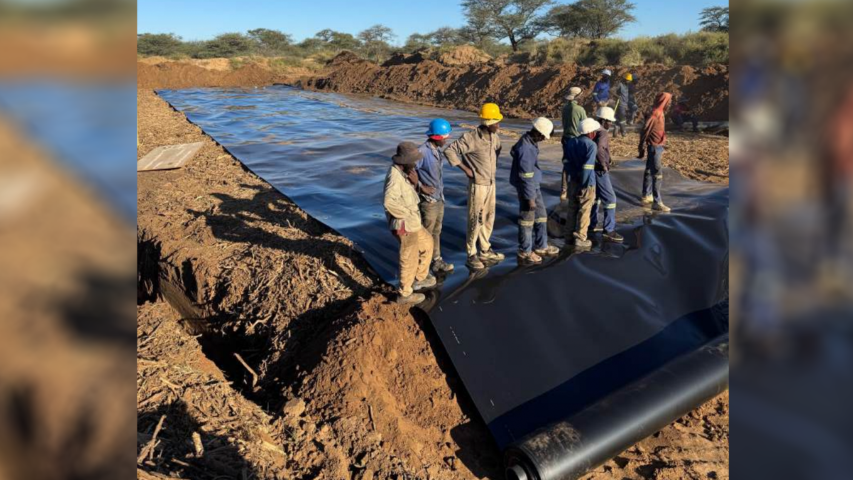
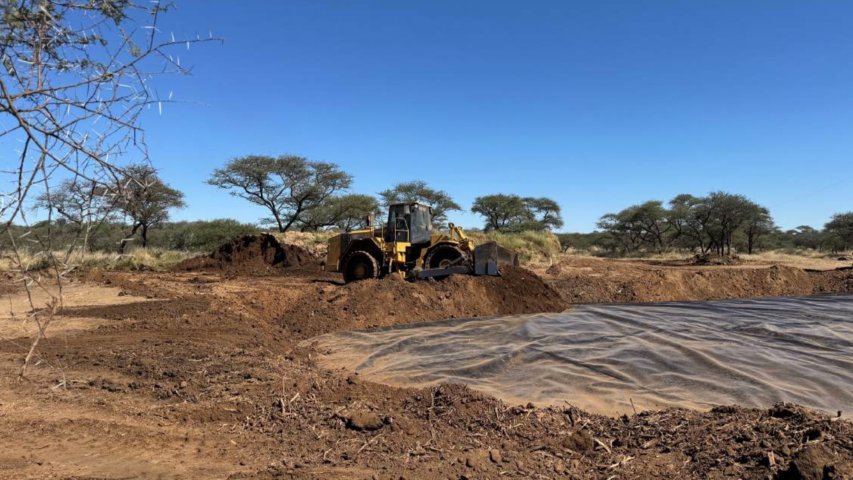
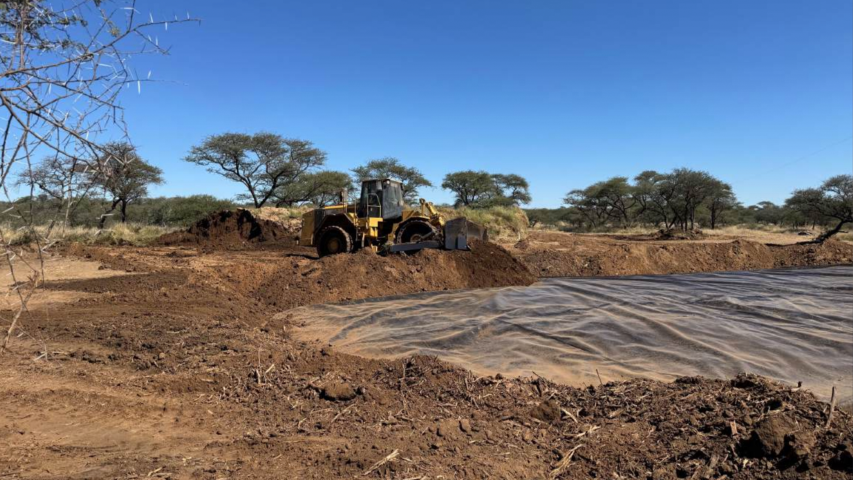
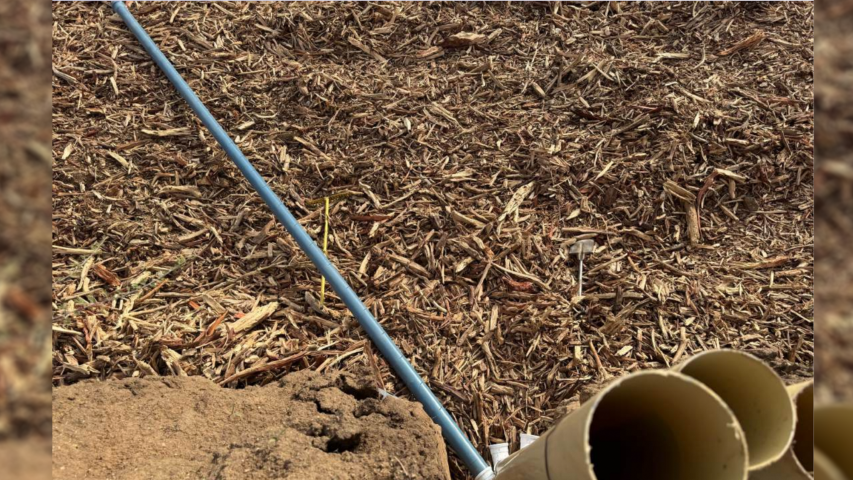
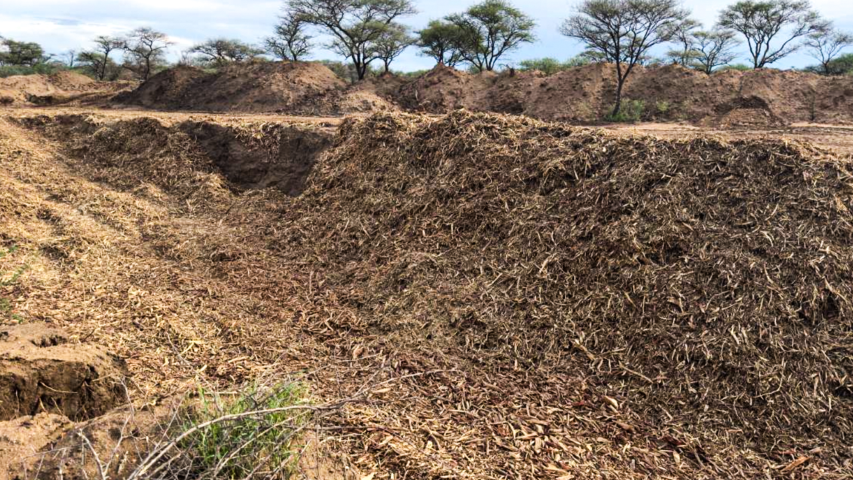

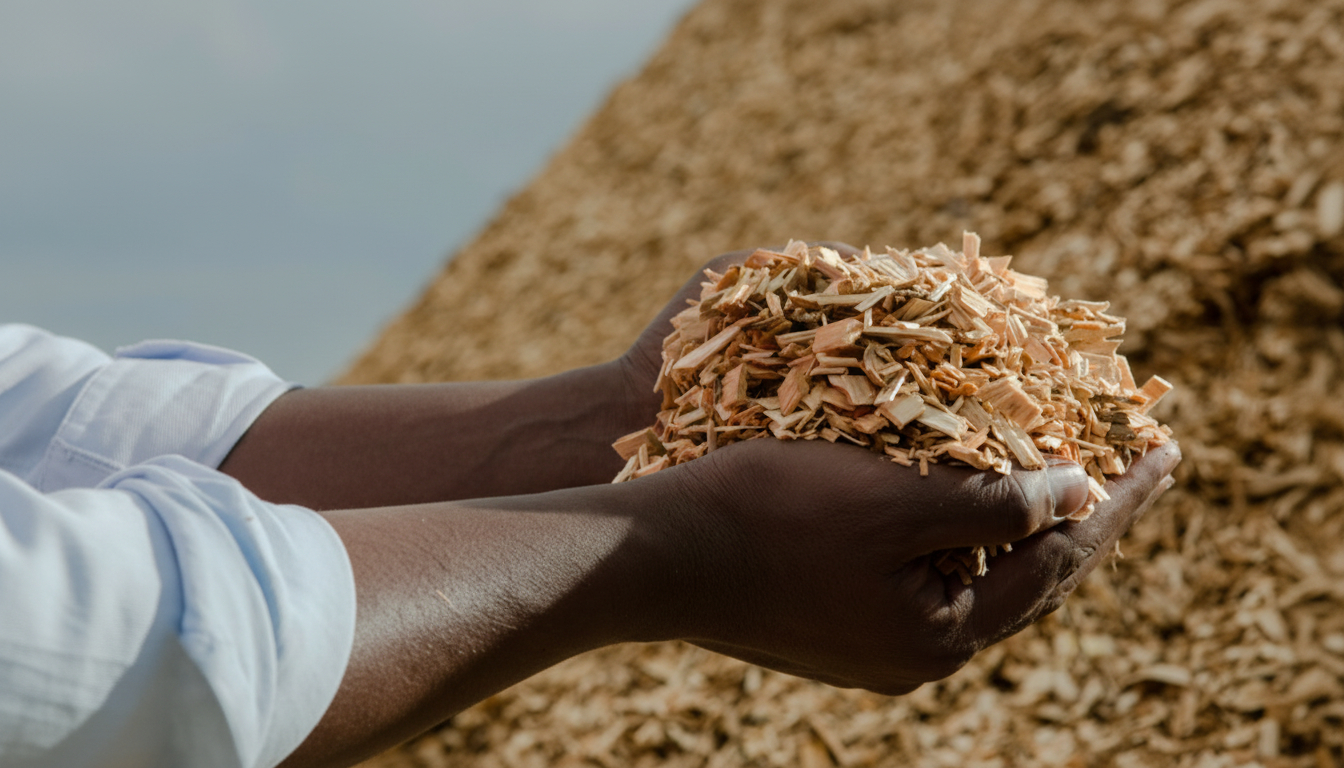
Namibia faces desertification, invasive scrub and frequent wildfires. This project removes excess biomass and stores it under controlled conditions so it cannot decompose or burn, locking away carbon while restoring land productivity and supporting rural development.
Namibia
The project contributes to 4 UN Sustainable Development Goals. Select a goal to see how.
Base scenario in tCO₂e, rounded to the nearest 1,000. Issuance follows in Q2 of the year after each monitoring period.
| Monitoring period | tCO₂e (base) | Issuance |
|---|---|---|
| 2025 to 2026 | 21,000 | Q2 2027 |
| 2026 to 2027 | 28,000 | Q2 2028 |
| 2027 to 2028 | 50,000 | Q2 2029 |
| 2028 to 2029 | 100,000 | Q2 2030 |
| 2029 to 2030 | 100,000 | Q2 2031 |
Every issuance lands in Q2 of the year after its monitoring period closes.

Storage durability is tracked with AI, sensors and satellite technology, from moisture and pH inside the structures to the surrounding landscape. Real-time dashboards make the carbon accounting transparent beyond standard requirements.
Project data note: Forward-looking credit volumes, emission reductions, removals, issuance dates and eligibility statements are estimates or current project-status information unless expressly stated as issued or verified. Actual outcomes may differ and remain subject to project performance, monitoring, independent verification, methodology and registry requirements, host-country approvals where applicable, and credit issuance.