
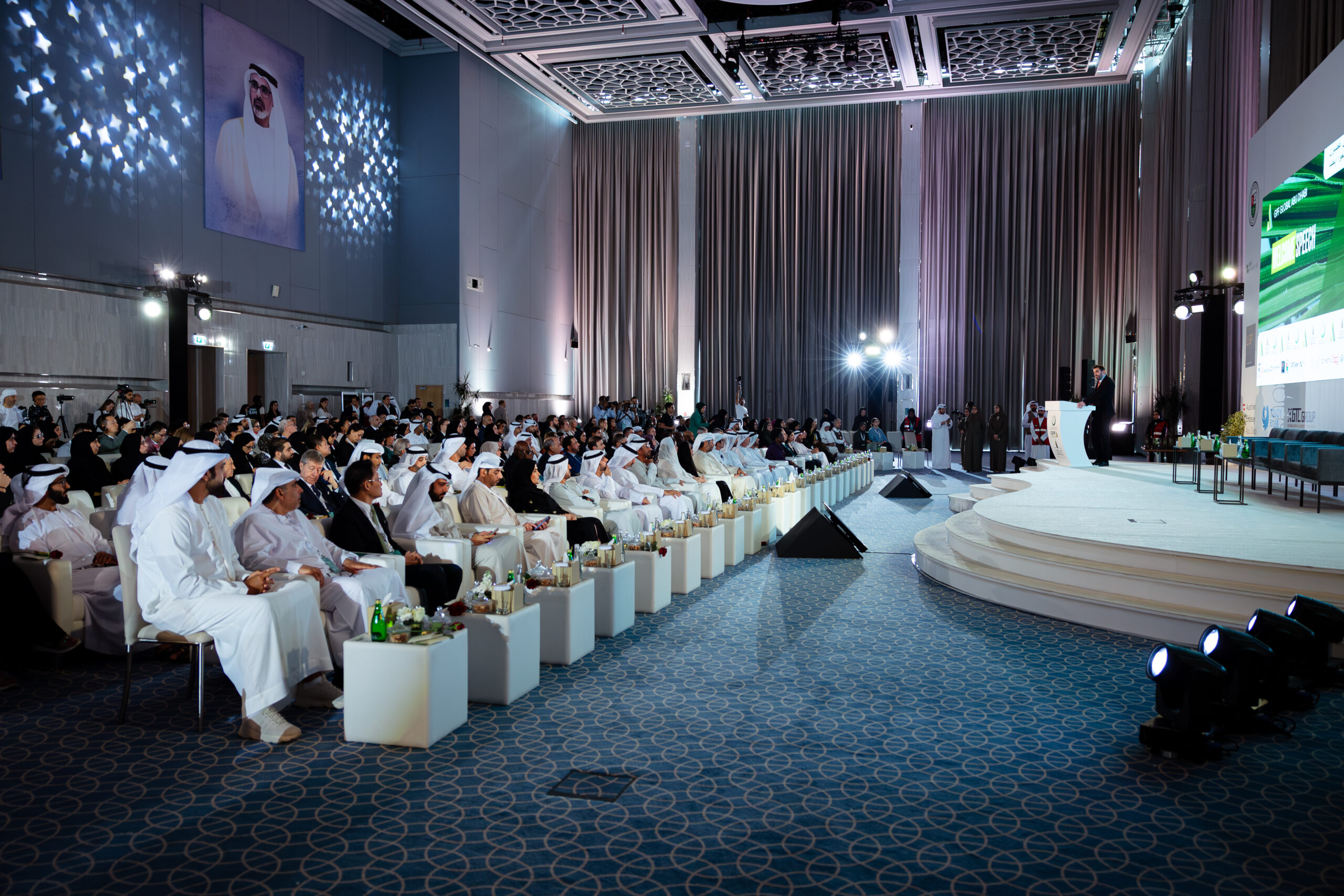
A credible event climate strategy combines pre-event measurement, on-site reduction, and transparent use of verified carbon credits for a separate climate contribution. Carbon credits do not change the event’s underlying emissions. Sustainability for events is an operational discipline. It begins with measuring emissions accurately, designing reductions in from the start, and reporting any residual climate contribution separately using credits selected against defined standards and methodologies.
This guide outlines the approach experienced carbon asset managers use.
Understanding the Sustainable Event Checklist
The sustainable event checklist is the framework that supports a green event carbon offset strategy. It brings sourcing, logistics, energy, and reporting into one operational plan, anchored to KPIs such as carbon footprint per attendee, waste diversion rates, and certified offset volumes.
A credible event delivery runs across three phases: pre-event planning, on-site execution, and post-event reporting.
Planning Prior to the Event (Where Most Impact Is Won)
Industry guidance from ISO 20121 and event-sustainability research consistently points to the planning stage as the period where most of an event’s footprint is determined. Decisions made before anything is built or shipped are the ones that move the carbon balance.
Venue selection. Choose venues with sustainability certifications, efficient HVAC systems, and renewable energy procurement. Centrally located venues materially reduce travel-related emissions. Venue-level energy efficiency, paired with renewable sources or certified green grids, typically removes around 10 to 20 percent of total event emissions according to event sustainability benchmarks published under ISO 20121 case studies.
Supplier sourcing. Work with suppliers who follow recognised sustainable event practices: production partners that minimise waste, logistics providers running optimised routes, and caterers sourcing locally. A sustainable supplier base typically reduces supply chain emissions by 15 to 25 percent.
Attendee transport strategy. For international events, attendee travel is usually the dominant emissions source, with industry benchmarks placing it between 60 and 80 percent of the total. Incentives toward lower-carbon modes (rail over short-haul air, carpooling) and granular planning for VIP and private aviation movements together drive the largest reductions.
Materials. Eliminate single-use items. Digital tickets, reusable signage, and modular booth designs are now baseline. Shifting from physical to digital and reusable infrastructure can reduce event waste by up to 90 percent according to event-industry case data.
Operational Enforcement: On-Site Implementation
Execution determines whether the plan delivers in practice.
Energy management. Monitor energy uses dynamically where possible. Use lower-carbon temporary power sources.
Catering optimisation. Plant-forward menus typically reduce catering emissions by 20 to 40 percent. Right-sized portions reduce food waste by 10 to 15 percent per event.
Water. Replace bottled water with refill stations and reusable containers for staff and attendees.
These steps are operational standard, not optional extras. They are the components that turn a sustainability narrative into a measurable result and keep on-site execution aligned with the pre-defined reduction targets.
Post-Event Impact Assessment
Most events fall short here. Sustainability claims need measurement evidence to stand up.
Carbon footprint calculation. Compute emissions across transport, energy, materials, and waste. For large-scale events, per-attendee footprints typically range from 50 to 500 kg CO₂e, depending on how travel-intensive the event is.
Green event carbon offset strategy. Residual emissions are addressed through verified carbon credits. This is the stage where credibility is won or lost: low-quality or untraceable offsets undermine the entire claim.
Econetix operates with a different model. We develop and operate our own carbon credit projects rather than buying and reselling third-party credits. The portfolio includes Gold Standard-certified clean cookstove and solar lamp projects in the Democratic Republic of the Congo and Uganda, with measurable emissions reductions and tangible social co-benefits.
All credits are supported by dMRV (digital Measurement, Reporting, and Verification) systems, providing traceability and transparency through the full issuance and retirement lifecycle.
Aviation-Heavy Events: An Additional Compliance Layer
For events with significant aviation exposure, such as international conferences with widespread air travel, an additional layer applies. Travel-related emissions can fall under the corporate Scope 3 reporting of attending companies, and aviation operators flying participants may face CORSIA obligations on their international routes. Econetix supplies credits with Letters of Authorization (LoAs) from the Government of the DRC, which makes them eligible under CORSIA for that specific use case.
For event organisers whose events sit inside a corporate ESG report, this matters: the credits used to offset attendee travel emissions should be verified and traceable enough to stand up to the corporate auditor.
Credible Event Climate Planning in Three Steps
A structured route to credible event climate action runs through three steps.
Step 1: Reduce first. Minimise waste, optimise energy use, and consolidate logistics to remove avoidable emissions.
Step 2: Measure precisely. Use established methodologies to calculate total emissions. Weak baselines invalidate everything that follows.
Step 3: Use climate contributions transparently. Credit quality drives credibility. High-integrity credits are certified under credible standards (Gold Standard), supported by transparent data systems (dMRV), and issued from projects with real-world impact.
This supports a more defensible event climate strategy.
Eurovision Song Contest 2026: A Large-Scale Reference Point
The Eurovision Song Contest 2026 provides a large-scale reference point for event emissions accounting and reduction planning. At this scale, international travel typically accounts for around 70 percent of the total footprint. The remainder is venue energy, production logistics, and materials.
The methodological approach combines attendee travel modelling, energy demand forecasting, and supplier-level impact assessment. These inputs determine where reductions are achievable and how the residual emissions are addressed.
Typical reduction levers include centralised travel planning and promotion of lower-carbon transport, renewable energy sourcing or energy-efficient venue selection, and digital-first production processes that reduce material waste.
Once reductions are in place, residual emissions are quantified using standardised carbon accounting methodologies.
Econetix supports events of this scale. We provide direct access to credits from projects with documented standard, registry and monitoring information, quantify emissions using recognised frameworks, and run dMRV systems that maintain traceability across the offset lifecycle. The result is an auditable record of the event footprint, reductions, and any separate climate contribution.
Common Errors in Sustainable Event Planning
Even experienced teams often lean too heavily on offsets instead of cutting emissions at the source. Low-quality credits introduce reputational risk. A reliable green event carbon offset strategy puts operational reduction first.
The second common gap is the absence of transparent reporting. Without measurable evidence, sustainability claims lose credibility. Fragmented execution across procurement, logistics, and operations compounds the problem.
For organisations that need verified credits from proven projects with end-to-end traceability, direct project access through Econetix can reduce intermediary layers while formal verification remains independent.
Why Verified Carbon Credits Matter
The credibility of event sustainability communication depends on accurate emissions data, direct reductions, transparent reporting and careful treatment of any separate carbon-credit contribution. Econetix designs and operates its own carbon credit projects, which gives us full control over quality and verification. Where applicable, credits may come from projects registered or verified under recognised standards such as Gold Standard, with dMRV used to support project monitoring and traceability for full lifecycle transparency.
Our role as Voluntary Climate Contribution Partner of the Eurovision Song Contest 2026, in cooperation with ORF as the host broadcaster, demonstrates the confidence international stakeholders place in our carbon assets.
This is the benchmark for credible sustainable event management.
The Action Plan
A well-built green event carbon offset strategy focuses on measurable outcomes. Organizations that approach event sustainability with structured measurement, direct reductions and transparent reporting of any separate climate contribution can make more defensible sustainability decisions.
Credible event climate action depends on accurate measurement, real reductions, and transparent reporting.
Planning an event? Talk to our team to build an evidence-based event climate strategy that stands up to your auditor.
Frequently Asked Questions (FAQs)
What is a green event carbon offset strategy?
A structured plan that combines emissions measurement, on-site reduction, and transparent reporting of any carbon credits used as a separate climate contribution, including the relevant standard, registry status and project information.
How do I plan a credible event climate strategy?
Reduce emissions first, measure the total accurately using recognised methodologies, and if verified carbon credits are used, report them separately as a climate contribution rather than as proof that the event’s emissions are neutral.
What should a sustainability checklist include?
Venue selection, supplier sourcing, transport planning, energy management, waste handling, and a credible offset strategy with traceable credits.
How does Econetix support sustainable events?
Through direct access to verified, Gold Standard-certified carbon credits from owned projects, supported by dMRV transparency and CORSIA-eligible supply for events with aviation exposure.
Are sustainable events more expensive than conventional events?
Tight planning often reduces waste and operating costs, which partially offsets any premium on certified credits or sustainable suppliers.
How do I confirm my event meets recognised green standards?
Use certified suppliers, measurable KPIs, transparent post-event reporting, and frameworks like ISO 20121 for the structural baseline.

