We are enable climate action through strategy and advisory, delivering transparent, measurable impact.
Find out moreWe enable effective climate action through strategy and advisory, delivering transparent and measurable impact.
Explore Econetix insights, methodologies, and success stories behind measurable sustainability outcomes.
Econetix helps organizations understand impact, manage risk, and make smarter climate decisions.
Project Type
Project ID: GS12470
Credits / Year
SDG Impact
The purpose of this solar energy efficiency project is to supply households in the Democratic Republic of the Congo (DRC) with clean, energy-efficient lighting technologies such as solar lanterns and small solar systems. These technologies replace kerosene lamps and other fossil fuel–based lighting, reducing greenhouse gas (GHG) emissions while also cutting fuel consumption and improving living conditions.
Many of the households benefiting from the project either lack a grid connection altogether or experience highly unreliable electricity. In the baseline situation, families depend on kerosene for lighting, which generates GHG emissions and exposes users to harmful indoor air pollution and burn risks. Through the introduction of solar lighting, the project helps protect health, reduce energy costs, and lower emissions across the DRC.

The project “Uplifting Communities Through Clean Energy in the DRC” brings modern, affordable solar lighting to off-grid and under-served households. By substituting kerosene with solar lamps and systems, families gain brighter and safer lighting, children can study for longer hours, and communities benefit from reduced pollution and lower household energy expenses.
The project delivers measurable benefits across a range of Sustainable Development Goals, from climate mitigation and poverty reduction to health, education, gender equality, and decent work. Clean solar lighting improves daily life while driving a just energy transition in the DRC.
Around 47,314 tCO₂e of emissions are avoided or removed each year by replacing kerosene lighting with clean solar energy, directly contributing to global climate mitigation efforts.
90% of users report lower spending on kerosene. Clean lighting cuts fuel bills and, together with new jobs created by the project, supports income growth and poverty reduction.
With brighter and more reliable lighting, study time for children increases by 89%, supporting better learning outcomes in reading and mathematics.
Each year, about 490,842 people gain access to modern, affordable, and reliable energy, replacing expensive and polluting lighting sources.
60% of leadership positions linked to the project are held by women, fostering equal participation and empowerment in local decision-making.
| Period | tCO₂e |
|---|---|
| 2024 – 2025 | 27,600 |
| 2026 – 2027 | 55,200 |
| 2027 – 2028 | 82,800 |
| 2028 – 2029 | 82,800 |
| 2029 – 2030 | 82,800 |
| Total Emission Reduction | 331,200 |
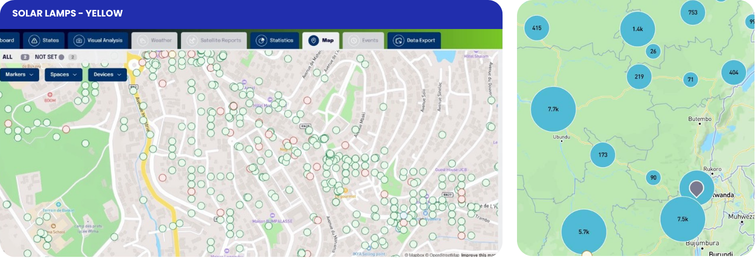
The project uses a digital Measurement, Reporting, and Verification (MRV) system that delivers real-time, verifiable data throughout the entire carbon project lifecycle—from installation of solar devices to long-term impact tracking. A PAYGo system monitors solar lamp usage via smart meters and mobile connectivity, recording lighting hours, battery performance, and realised CO₂ savings for each device.
This approach ensures full transparency and accountability in the field and supports data-driven decision-making for project partners and buyers alike.
Energy Efficiency – SOLAR LAMPS – YELLOW.
Registry & Methodology
Discover how Econetix can help you verify, manage, and scale your carbon assets with confidence.
Verified Impact Across
Global Projects
Science-Backed Carbon
Asset Management
Real-Time MRV and
Transparent Reporting
Backed by Industry-Leading Standards